Few topics spark more debate in Muslim households than this one. Ask a Pakistani or Indian family and they'll likely say arranged marriage is the Islamic way. Ask a younger Muslim and they'll argue that love — genuine connection before marriage — is natural and necessary.
Both sides have a point. Both sides also misunderstand what Islam actually teaches.
This post breaks down the honest pros and cons of each, then lets the Quran and authentic hadith settle the question.
First — What Does Islam Actually Distinguish?
Here's what most people miss: Islam doesn't use the terms "arranged" or "love" marriage. These are cultural labels, not Islamic ones.
What Islam cares about is the process — whether it is halal, whether both parties genuinely consent, and whether the foundation is deen and character rather than desire or pressure.
With that in mind, let's look at both honestly.
Arranged Marriage
What It Means in Practice
In arranged marriage, families — parents, relatives, or a matchmaker — identify a potential spouse and introduce the two parties. The couple may meet briefly (or not at all before engagement), and the family plays a significant role in the decision.
The Genuine Pros
1. Family wisdom and stability Parents have decades of life experience. They often see qualities in a person — family character, financial responsibility, long-term stability — that excitement and attraction can blind us to. A family's involvement provides a layer of vetting that protects against poor decisions made under emotional pressure.
2. Shared background and values Arranged matches often pair people from similar family cultures, religious practice levels, and social environments. This reduces friction on everyday matters — how the household is run, how children are raised, how finances are managed.
3. Reduced unrealistic expectations Relationships built on extended romantic attachment before marriage can build idealistic expectations. Entering marriage with a realistic mindset — knowing you are building love, not arriving with it fully formed — can be a healthier foundation.
4. Community and family support When both families are invested in the match from the start, the couple often has a stronger support network. Divorce is more seriously considered because families work to resolve problems rather than step aside.
The Honest Cons
1. Forced marriage is not arranged marriage — but they get confused The most serious problem is when "arranged" becomes "forced." A marriage where either party feels pressured, coerced, or unable to say no is not Islamic — it is a violation of Islamic law. This happens far more often than communities admit.
2. Insufficient time to assess compatibility A brief meeting or two is often not enough to understand someone's character, communication style, or emotional maturity. Rushing into marriage based on family approval alone can leave both parties strangers on the wedding night — and for years after.
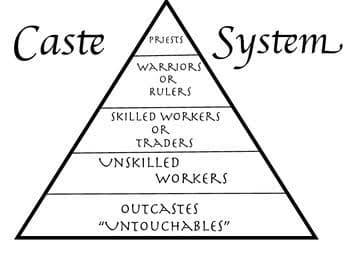
3. Family priorities may not align with the individual's Families sometimes prioritise status, wealth, caste, or tribe over deen and character. This directly contradicts Islamic guidance.
4. Suppressed voices — especially women's In many cultures, women feel unable to refuse matches without family conflict. This is a cultural failure, not an Islamic one — but it is a real consequence of how arranged marriage is often practiced.
Love Marriage
What It Means in Practice
In a love marriage, two people develop feelings for one another — through work, university, social circles, or online — and decide to marry based on that connection. Families may or may not be involved from the beginning.
The Genuine Pros
1. Deep mutual knowledge before commitment Knowing someone's character, values, and communication style before marriage gives a clearer picture of what life together will look like. There are fewer surprises.
2. Emotional investment from day one Entering marriage already in love, with genuine affection for the person, is a meaningful foundation. Both parties are choosing each other fully and willingly.
3. Reduced risk of incompatibility shock Couples who know each other well tend to enter marriage with aligned expectations about daily life, conflict resolution, and long-term goals.
4. Equal footing in the decision Both parties typically feel empowered in their choice rather than beholden to family expectations.
The Honest Cons
1. Emotions can cloud judgement Strong feelings can cause people to overlook serious red flags — poor character, weak deen, misaligned values, or fundamental incompatibilities. What feels right at the start may reveal itself over years.
2. The path can easily become haram Extended private interaction between unmarried people — texting, meeting alone, emotional intimacy — often crosses Islamic boundaries. Many "love marriages" are built on a foundation of haram interaction, which is a serious concern.
3. Families may not be involved — and that matters Islam gives the wali (marriage guardian) an important role in the nikah for a reason. Bypassing family entirely can create rifts that damage the marriage long-term. A couple without family support is more vulnerable during difficulty.
4. Infatuation fades The emotional high of early romantic love typically settles within the first few years of marriage. Couples who built their entire relationship on that feeling may struggle when the day-to-day reality of marriage replaces the excitement.
What Islam Actually Says
1. Consent Is Non-Negotiable
The Prophet Muhammad ﷺ made this unambiguous:
"A previously married woman has more right concerning herself than her guardian, and a virgin should be asked for her permission." — Sahih Muslim, 1421
A marriage conducted without genuine consent — however culturally normalised — is not valid in Islam. Silence under social pressure does not constitute consent.
The Prophet ﷺ even gave a woman the right to annul her marriage when she came to him saying her father had married her off against her will. (Sunan Abu Dawud, 2096)
2. The Wali's Role Is Real — But Limited
The wali (guardian) is part of the Islamic marriage contract. His role is to protect the woman — to vet the match, ensure the man is suitable, and provide a layer of wisdom and accountability.
His role is not to decide for her. If a qualified man proposes — one whose deen and character are sound — and she wants to accept, the wali's obstruction becomes his responsibility before Allah.
3. Deen and Character Are the Standard — Not Caste or Background
The Prophet ﷺ said:
"If someone comes to you whose religion and character please you, then give him in marriage. If you do not, there will be great tribulation and corruption in the land." — Jami' at-Tirmidhi, 1084
This hadith addresses families directly. Rejecting a good Muslim because of caste, tribe, ethnicity, or financial status — while accepting someone of poor character because of status — is a failure that the Prophet ﷺ warned against explicitly.
4. How You Reach the Decision Matters
Islam does not prohibit a man and woman from knowing each other exists, speaking respectfully in appropriate settings, or expressing interest in marriage. What it prohibits is the private, unguarded, emotionally intimate interaction that characterises many "love" relationships.
The halal path looks like this: a person of interest → express to family → formal introduction with wali present → istikhara → nikah.
Feelings are allowed. Haram interaction to develop those feelings is not.
The Real Question Islam Asks
Islam doesn't ask: "Was it arranged or did you fall in love?"
Islam asks:
- Was the consent of both parties genuine and free?
- Was deen and character the primary criterion?
- Was the wali appropriately involved?
- Was the process halal?
An arranged marriage built on pressure and caste hierarchy fails these tests. A love marriage built on halal interaction, parental involvement, and mutual respect for deen passes them.
The label doesn't matter. The foundation does.
Finding the Balance
The best marriages — in Islamic teaching and in observable reality — combine both elements:
- Family involvement (the wisdom of arranged marriage)
- Genuine personal connection (the intention behind love marriage)
- A halal process (the standard Islam sets for both)
This is exactly what modern halal matchmaking tries to achieve — not blind family selection, not unchecked romantic pursuit, but a structured, intentional process where two people can get to know each other seriously, with family awareness, with deen as the filter.
Looking for that balance? Kufu is built for Muslims who want family-aligned, values-first matching — without the awkwardness of traditional arrangements or the risks of unguarded interaction.
Download Kufu and start your search the right way.